

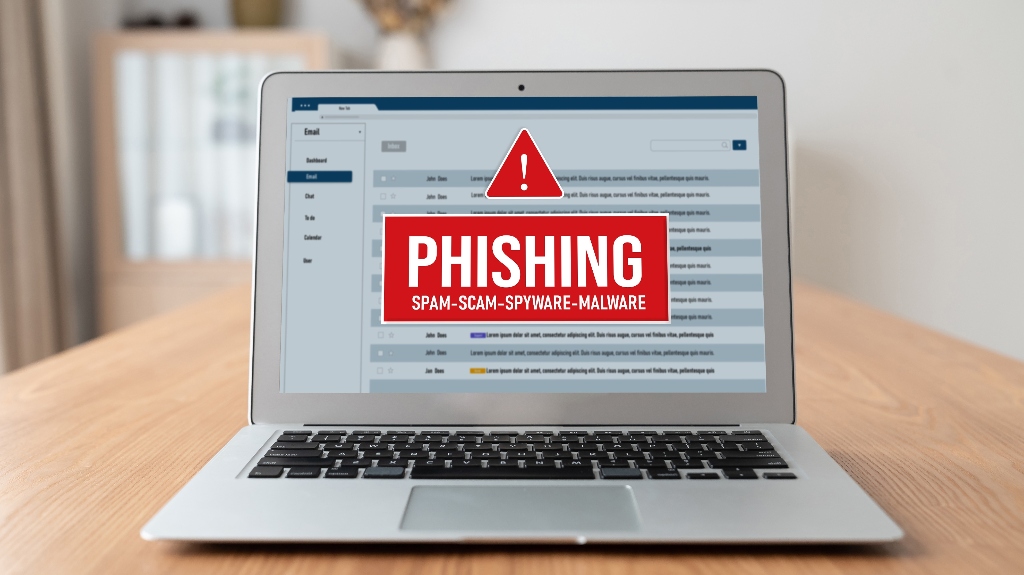
Phishing scams have become very common. You may have seen fake emails, texts, or messages that try to trick people into giving away personal or financial information. But many people wonder whether phishing is actually illegal under federal law. The short answer is yes, it can be. A federal wire fraud attorney can help explain how these cases work and what the law says.
What is phishing?
Phishing is a type of scam where someone pretends to be a trusted source to get sensitive information. This might include things like passwords, bank account numbers, or Social Security numbers.
For example, a scammer might send an email that looks like it is from a bank or a well-known company. The message may ask you to click a link and enter your information. Once you do, the scammer can use that information for fraud or identity theft.
Phishing can happen through emails, text messages, social media, or even fake websites.
Is phishing specifically illegal under federal law?
There is no single federal law that uses the word “phishing.” However, phishing is illegal because it usually breaks other federal laws.
Most phishing schemes are charged under laws that deal with fraud and deception. The most common one is the federal wire fraud statute.
How does wire fraud apply to phishing?
Wire fraud is a federal crime under 18 U.S.C. § 1343. It is against the law to use electronic communications, such as emails or phone calls, to carry out a plan to cheat someone.
Phishing can fit the wire fraud statute when electronic communications are used as part of a scheme to obtain money or property by deception.
The government generally must show a scheme to defraud, intent to defraud, and use of interstate wire communications to help carry out the scheme, typically involving money or property.
Because phishing typically includes all of these, it tends to be charged as wire fraud. A federal wire fraud attorney can look over the details of a case and explain how these factors might apply.
Are there other federal laws that can apply?
Yes. Phishing can also get you in trouble with other federal laws, depending on the situation.
For instance, cases could be about identity theft, computer fraud, or fraud with access devices. If someone steals your personal information and uses it, they could be charged with more than just wire fraud.
The punishments can be much worse in more serious cases, especially those that involve large-scale schemes or organized groups.
What are the penalties for phishing-related crimes?
Penalties depend on the specific charges and the facts of the case. For wire fraud, a person can face:
- fines
- restitution to victims
- significant prison time
If the case includes aggravated identity theft under federal law, there can be a mandatory additional prison term. How much money was involved and how many people were hurt can also be taken into account when sentencing in federal court.

Because of this, phishing cases can carry very serious consequences.
Can you be charged even if no money was taken?
Yes, in many cases, you can still be charged even if the scam didn’t work.
Federal law often looks at the plan and the person’s intent. If prosecutors can show that there was a plan to commit fraud and that steps were taken to carry it out, that might be enough to bring charges.
This means that even trying to phish can get you in trouble with the law.
Why should you speak with a lawyer right away?
Federal charges are very serious, and phishing cases can have complicated evidence like emails, digital records, and financial data.
A federal wire fraud attorney can go over the evidence, explain the charges, and help you figure out what to do next. They can also help you protect your rights and build a strong defense from the start.
If you are being looked into or charged with a federal crime, don’t wait to get help. Call Aaron L. Wiley Law, P.C. at (469) 770-3842 or fill out the contact form on our website to talk about your case and find out what you can do next.